
Unity in diversity: 10 ways you can teach children diversity
How many miles must we march for freedom
–Kennedy Thompson
How many wars will we have to bear
before our homeless have a world that feeds them
before our children have a world that cares
We are one, we are one
Once upon a time, people used to live in a tree, they used to hunt for food, they used to live in a pack, they used to eat raw meat sometimes they got killed by wild animals. Survival was difficult. All human species were the same, hardly any differences here and there.
Then civilization happened, they learn, adapt, change: people become smart. They spread all around the world, according to Charles Darwin’s evaluation.
Millions of years later, people still used to live in one city or village for their entire life, and knew the roots of their community inside out for generations. This was the culture.
Today, this scenario has completely changed. Today, we rarely even complete our education in the same city. We move for work, for better opportunities, or just because we can. The world is a global village! This means we get to see so many new things, new people, new culture as well as different food, clothes, mindset, etc. For some people, this is an astounding experience to have but for others, it’s very difficult to adjust.
Fortunately, children are not born with a pre-disposed inclination to any culture, language, food or anything. They will be accepting of whatever they are taught to be accepting of.
Here are some tips on developing diversity among kids.
1. Read different kinds of books from different cultures & discover different writers
We love books. We read a lot & insist that others to read as well. Reading books by a different writer, knowing a different point of view, can give a lot of perspective on diversification. For example, people from a European country have a completely different point of view on art than people from the Middle East, U.S. & U.K.
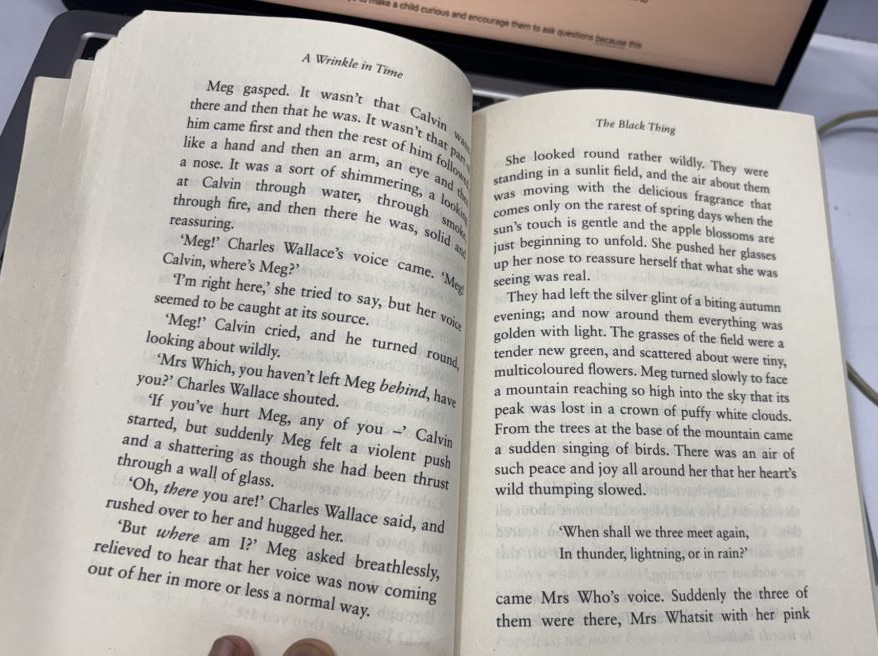
Writers put it better with their words & metaphors. Missing it is considered a sin in our words. If your child doesn’t like books, you can buy them comic books. A while ago, we made an article on books that talk about core values. You can check that further recommendation.
2. listen to a different kind of music, watch different movies, listen to all kinds of people
There was a time when people used to consume regional content. Their knowledge was structured by their own culture. However, the time has changed. With the easy exposure of the internet, we have access to all kinds of content around the world at the tip of our fingers. You can watch any movie, listen to any song, watch any documentary, listen to all kinds of leaders, influencers & public figures from anywhere in the world. Use this tool as your guide. As you explore different communities and cultures, your worldview inevitably changes. After finishing those movies or songs, you will see things differently. You might appreciate your culture more or become more critical.
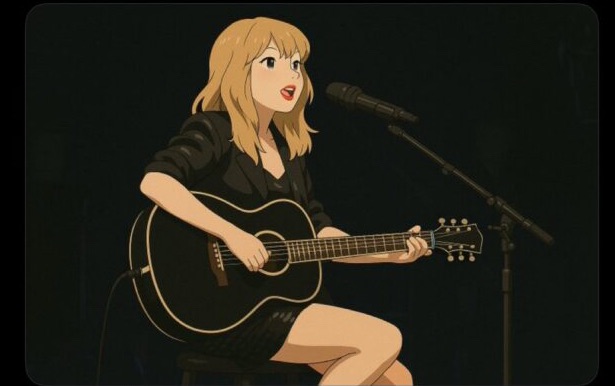
Like after watching a Chinese movie, you might hate it, or after listening to a Spanish song you dance more than an English song or any K-pop.
3. Travelling is a great exposure
When you go away on a vacation and have an incredible time. Whether it’s food, geography, place, or people, something always amazed us. If you wonder why you should travel with kids, we have made an article on this topic. You can check it here. No matter how much you read books or watch movies,s you can’t get the real feeling of being there by books or movies.
Say you spotted a sloth in South America, you went skiing in the Swiss Alps, you shared a pint of Guinness with the locals in Dublin, or you spent an afternoon on the gondolas in Venice.
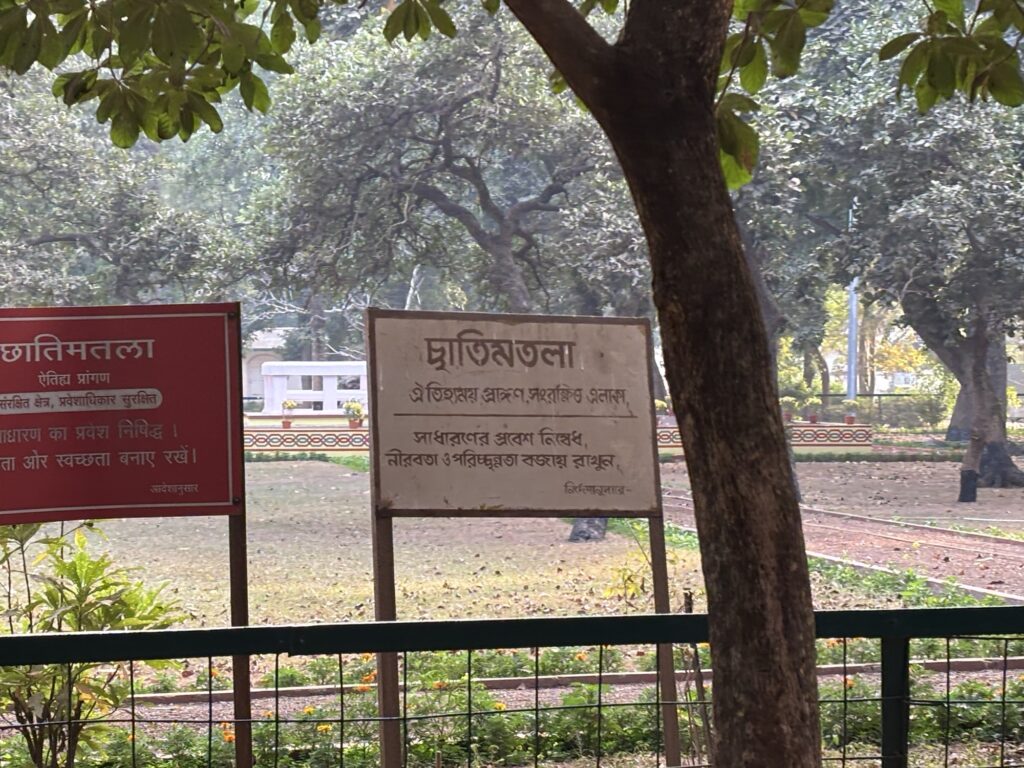
These are incredible experiences that you won’t be able to put into words. Travel allows a child to build their confidence and independence, increase their tolerance for discomfort, and help to learn languages, etc.
4. Make different food in the house or test different food once in a while
Food is the biggest indicator when it comes to a different culture. Just imagine a completely new taste is going inside into your body, how amazing is that! This makes your child discover a new experience.
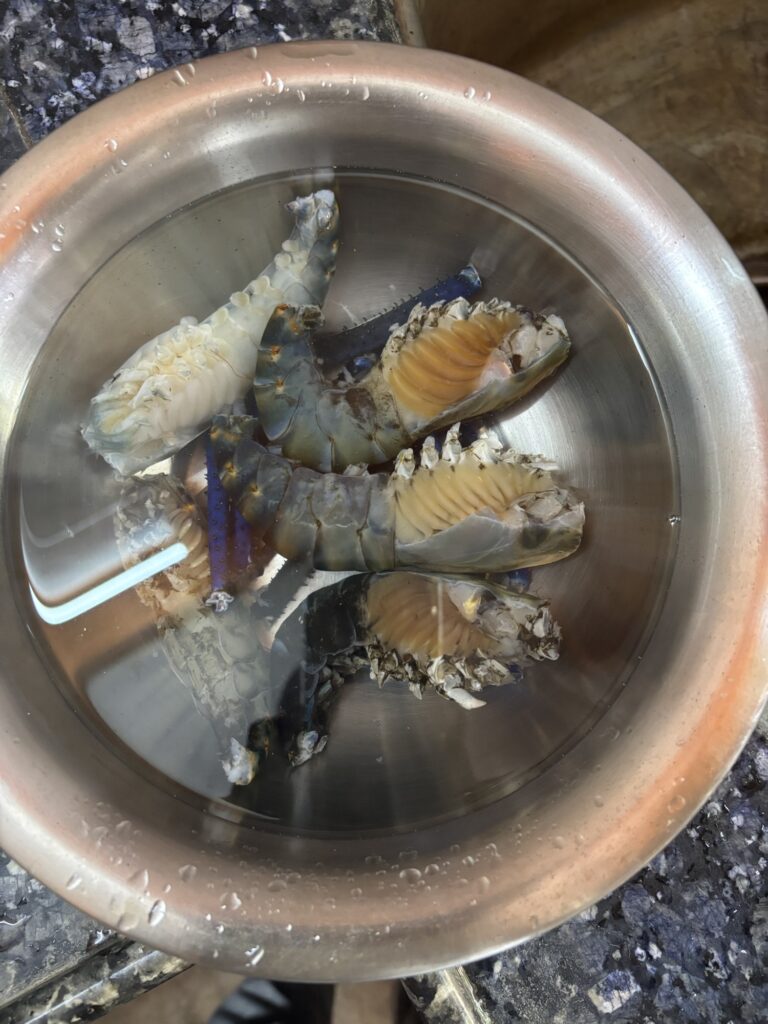
For instance Buttered popcorn from the United States, Potato chips from the United Kingdom, Seafood paella from Spain, Som tam from Thailand, Chicken rice from Singapore, Tacos from Mexico & so one & so forth.
5. Understanding differences just makes us interesting; at the end of the day, we are all the same
Other languages, different food habits, different clothes, different festivals, different beliefs; no matter where we live, we see this in our lives every day. City people can relate to this easily, especially in Indian cities like Delhi, Mumbai, Bangalore, Hyderabad, Kolkata, and Chennai. Not even India in almost every city in the world.
Our neighbour in the next apartment may be speaking a different language and may even be celebrating different festivals from yours. The same goes with your friend circle. This could even be the case right at home, where you and your spouse come from different religious, cultural, or geographical backgrounds. Have conversations with your kids about the similarities and differences they will see on a daily basis. Gradually, this will improve their understanding of different cultures as well as respect towards them.

Diversity is what lets you have a DOSA one day and butter chicken on the next. You can wear a kurta-pyjama as much as you wear trousers and a shirt. Introduce variety in your child’s palate and wardrobe. His room’s decoration, his books & copies can be a thing to consider. Even better, you can put a successful person’s photo in your child’s room wall. & the best thing you can even consideris teaching them a second language.
“Always remember new language opens a new door for you”.
If you talk with someone in their regional language, they are more likely to share their thoughts & views on something than anything in this world.
In a country like India, it is very easy. We are thinking about making an article on this topic for our Indian reader in future soon.
6. Join different festivals in different cultures
Every culture in this world has something for you to learn no matter how pathetic it is! Celebrating festivals has a lot to do with fun than anything. Science has found that humans build bonds through shared experiences, so if you really want your friends to care about your festivals & cultures, you should celebrate all festivals together when possible.
Whether it’s BURNING MAN in BLACK ROCK DESERT, NEVADA, or CARNIVAL in RIO DE JANEIRO, BRAZIL, or HARBIN INTERNATIONAL ICE & SNOW SCULPTURE FESTIVAL in HARBIN, CHINA or LA TOMATINA in VALENCIA, SPAIN, or MARDI GRAS in NEW ORLEANS, LOUISIANA or DIA DE LOS MUERTOS in MEXICO or DEWALI & HOLI in INDIA, for that matter, you should enjoy and appreciate every one of them.
By joining in any festivals, you can meet new people to listen to their stories. Discover a whole new world that was unknown to you earlier.
7. Play with different toys
How many types & colours of Barbies have you seen? On social media, many, but in real lif,e not too many! Right? Not all toys look the same.
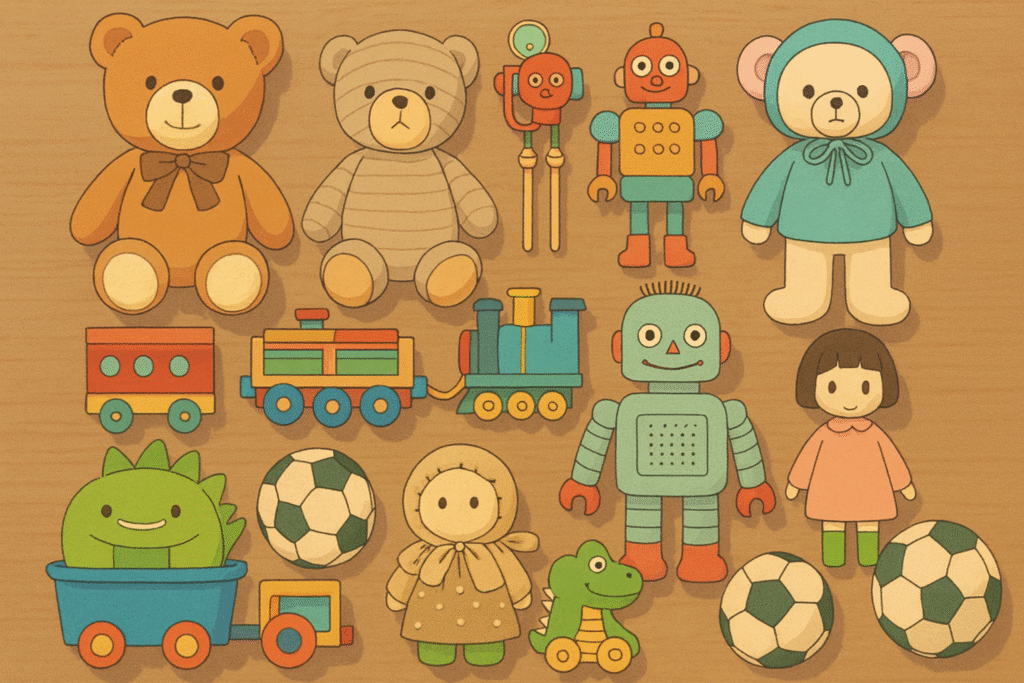
In recent times there has been a lot of discussion about the need for varied-looking figures that have different skin tones and come from different cultures. When children play with toys, they identify with them and learn to see that heterogeneity is just a staple of life& “Racism” is a bad thing.
8. Show them the Globe or a World Map
Geography can teach a child about the world. For instance, have a map in your home, show them different places, their geographical location, and teach them about latitude & longitude once in a while. Make them watch international news. Your goal should be to make them think in terms of globally not nationally, cause in this 21st century, everything is a global issue, whether it’s coronavirus, climate change, India-China conflict, racism protests in the U.S.A., everything. All actions that have been happening around us recently have some consequences that will affect this world in the future.
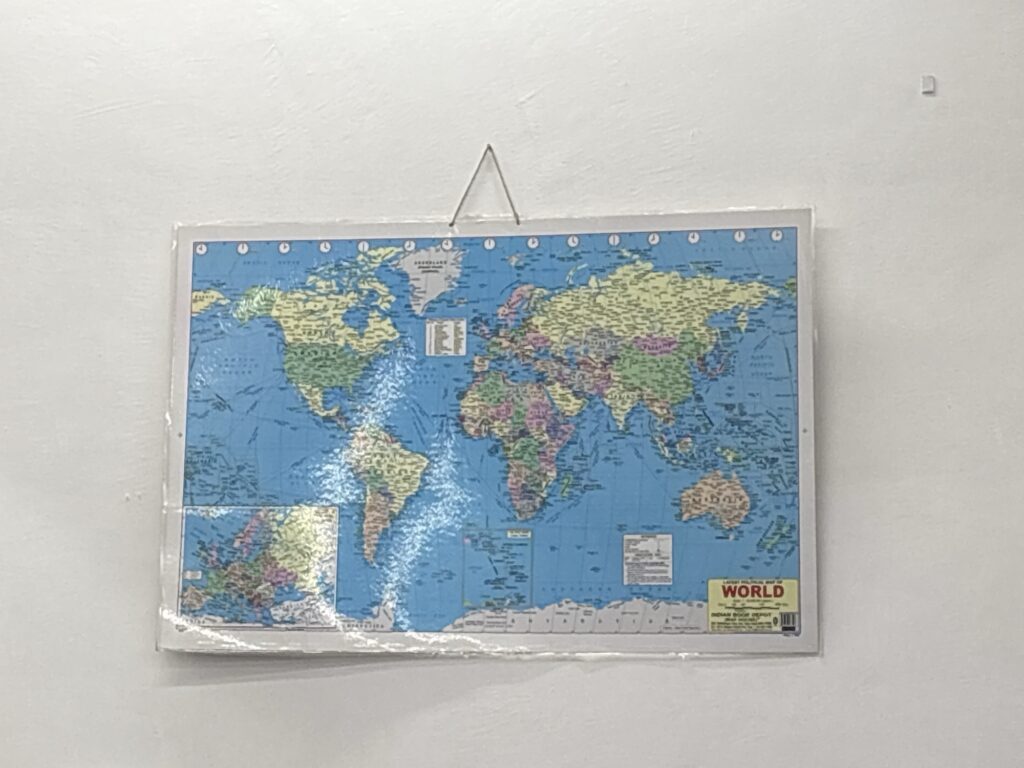
This way, eventually they will learn about diversification.
9. Encourage Kids to Correspond with International Pen Pals
Find out about pen pals for your kids in other countries. Have kids pick a pen pal and start writing to or emailing them. Kids who build up relationships with people in other countries will end up being more globally aware. With the prevalence of email and social media these days, this is easier than ever. My kids’ school has had great success with this in years past, using Kid World Citizen, a great resource to locate international pen pals.

10. Make friends with all kinds of people
Connecting with people from a different background, discussing ideas with them, and playing with them are some great ways you can make your child understand things practically.
It reduces the likelihood of conflicts and tensions arising from differences, fostering mutual respect and understanding. Diverse perspectives and interests are represented, enriching the democratic process and strengthening national integration.
Here are some FAQs
In general, we classify diversity into 4 major Diversity Types Dimensions. The four diversity type dimensions are Internal, External, Organisational, and World View.
Unity is of utmost importance for society as well as the whole country. “Strength is always with Unity” is a popular phrase and it is true to its every word. Unity represents togetherness.
Humans are social animals & one human can’t create a good sustainable impact on society, therefore, togetherness is important. for creating impact as well as fighting against something.
Diversity is a reality created by individuals and groups from a broad spectrum of demographic and philosophical differences. It is extremely important to support and protect diversity because by valuing individuals and groups free from prejudice and by fostering a climate where equity and mutual respect are intrinsic, we can create a good world, filled with joy & ecstasy.
power, freedom, justice, equality & other political support & facilities.
26 May 2020 in during the corona virus pandemic time.
African countries are the most diverse. Uganda has by far the highest ethnic diversity rating, according to the data, followed by Liberia. In fact, the world’s 20 most diverse countries are all African.
Brazil It is the country with the greatest biodiversity of flora and fauna on the planet.
Now that we have completed our article, we have a question for you. What is your experience with diversification? Do you have any friends or relatives from a different culture? Let us know in the comments & we will jump into the most interesting one.

