

Learning process of a child, How babies, toddlers and kids learn!
There are three basic types of learning styles: visual, auditory, and kinesthetic. For learning, we depend on our senses to process the information around us. The same goes for children as well.
Children’s learning process is like a builder constructing a house—one brick at a time, step by step. The first few years may feel slow, but then the pace accelerates rapidly (a bit like the sudden growth of a YouTube channel). You and your family play a vital role in what your child learns during these crucial early years.
Here are some famous child psychologists & their theories to support my article –
Jean Piaget (1896–1980)
- Theory: Cognitive Development Theory
- Key Idea: Children move through 4 stages of thinking:
- Sensorimotor (0–2 years) – learning through senses & actions.
- Preoperational (2–7 years) – symbolic play, but egocentric.
- Concrete operational (7–11 years) – logical thinking about concrete things.
- Formal operational (12+ years) – abstract, hypothetical thinking.
Lev Vygotsky (1896–1934)
- Theory: Sociocultural Theory
- Key Idea: Learning happens through social interaction. Introduced the Zone of Proximal Development (ZPD) — what a child can do with guidance vs alone. Stressed role of teachers/parents as “scaffolds.”
Sigmund Freud (1856–1939)
- Theory: Psychosexual Development
- Key Idea: Childhood experiences shape adult personality. Development passes through 5 stages (oral, anal, phallic, latency, genital). Though controversial, his ideas influenced child psychoanalysis.
Erik Erikson (1902–1994)
- Theory: Psychosocial Development
- Key Idea: Life has 8 stages of social-emotional growth. In childhood:
- Trust vs Mistrust (infancy)
- Autonomy vs Shame (toddlerhood)
- Initiative vs Guilt (preschool)
- Industry vs Inferiority (school years)
John Bowlby (1907–1990)
- Theory: Attachment Theory
- Key Idea: A secure attachment with a caregiver in early life leads to healthier emotional and social development. Introduced the concept of separation anxiety.
Mary Ainsworth (1913–1999)
- Theory: Attachment Styles
- Key Idea: Expanded Bowlby’s work with the “Strange Situation” experiment. Identified secure, avoidant, ambivalent, and disorganized attachment in children.
B. F. Skinner (1904–1990)
- Theory: Behaviorism (Operant Conditioning)
- Key Idea: Children learn through rewards and punishments. Positive reinforcement strengthens behavior. Shaped classroom management and teaching strategies.
Albert Bandura (1925–2021)
- Theory: Social Learning Theory
- Key Idea: Children learn by observing and imitating others (modeling). The famous Bobo Doll experiment showed kids imitate the aggression they see in adults.
Maria Montessori (1870–1952)
- Theory: Montessori Method
- Key Idea: Children learn best in prepared environments with freedom to explore. Hands-on learning, independence, and self-paced growth. Her approach transformed early childhood education worldwide.
Jerome Bruner (1915–2016)
- Theory: Discovery Learning & Spiral Curriculum
- Key Idea: Children learn actively by discovery, not just passive listening. Knowledge should be revisited at different stages in deeper forms (spiral learning).
So, here’s a fascinating scientific fact about a child’s learning process:
The Neurons at Work
When we learn something new, our brain’s neurons get rewired. Each neuron looks like a tree spreading out branches. As babies absorb information, neurons branch out and form connections with one another.
These connections, called neural pathways, are like an electrical wiring system. Each pathway is a circuit.
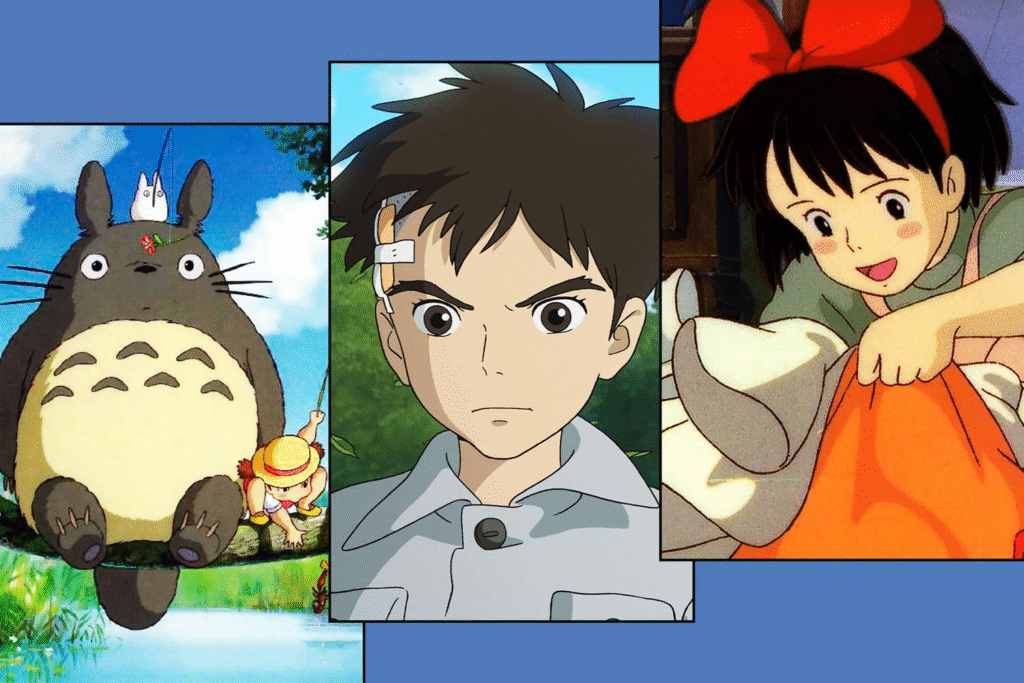
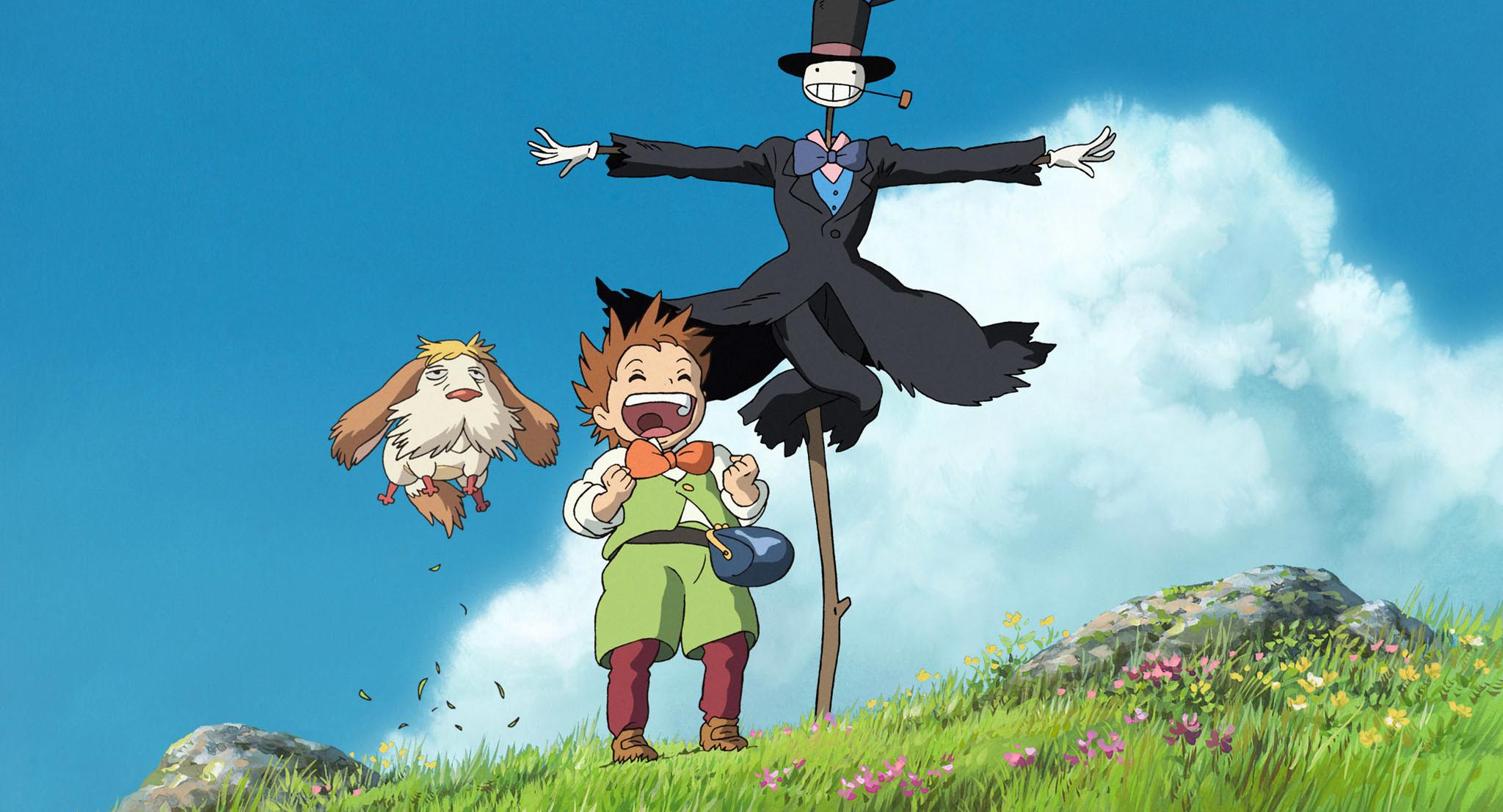
P.S. All photos are from screenshots of Studio Ghibli movies.
Think of it like your computer’s motherboard: when you press a key on the keyboard, it sends a signal to the system, which then processes and gives an output. Similarly, when a child has an experience, it sparks electrical signals in the brain, powering up a circuit.
Some brain circuits are built in at birth—like the ones for breathing and circulation. But others, known as activity-dependent circuits, require input. The more systematic and meaningful input children get, the stronger these circuits become.
And unlike pressing a keyboard, the “input” for a child’s brain is complex. It comes from all experiences—sounds, sights, tastes, smells, touch, emotions—which release neurotransmitters and strengthen neural pathways.
So, How Do We Provide Input to Children’s Brains as a normal layman?
Experts suggest several proven ways:
1. Relationships Around Them
You might expect books to be the answer—but it’s actually relationships. The environment your child grows up in and the people around them matter enormously.
Family, school, and friends influence how a child perceives the world. From you and your family, your child learns what it feels like to love, to feel safe, and to belong. These early lessons shape their understanding of relationships and emotional security.
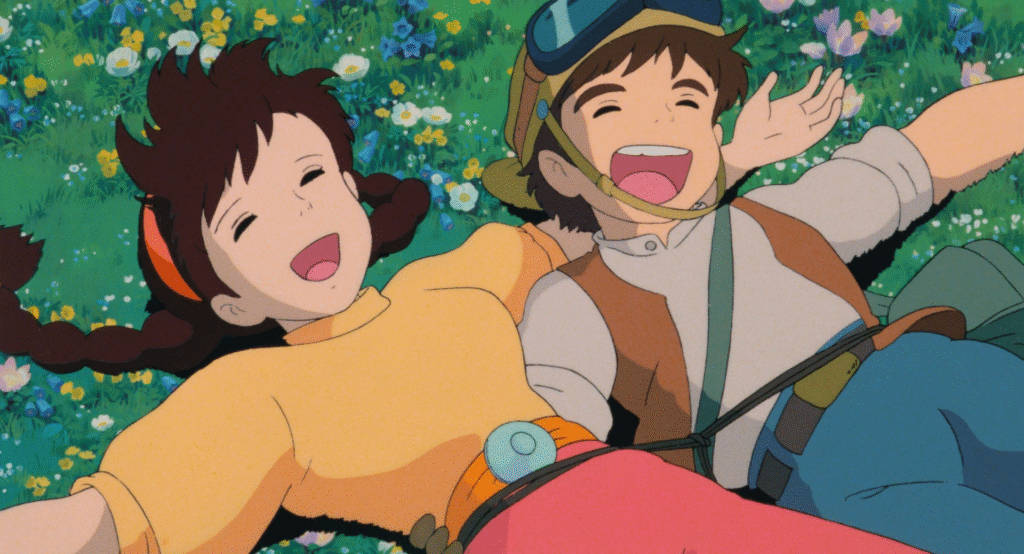
2. Space, Place, and Environment
Children make sense of the world by observing and comparing.
- “I can climb on the chair but not on the dining table.”
- “My school playground is bigger than the street near my house.”
- “If I water a seed, it grows.”
Every day, the surroundings teach them about size, shape, and cause-and-effect.
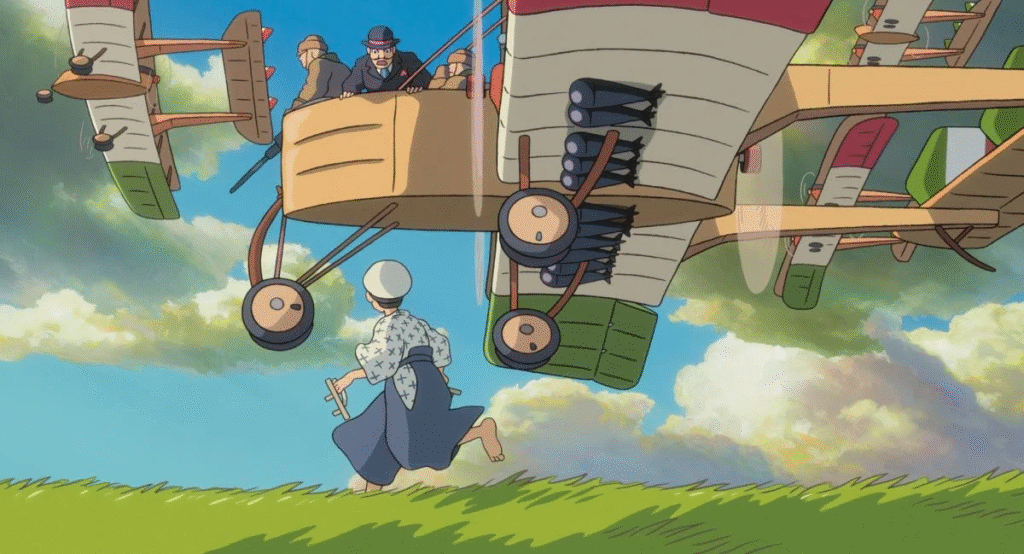
3. Language and Communication
Through conversations with family, children absorb vocabulary, grammar, slang, accent, and even emotional expression. This builds not only language skills but also emotional intelligence.
4. Health and Physical Fitness
Children don’t just follow instructions—they imitate actions.
“Kids don’t follow what you tell them. They follow what they see you do.”
If they see you eat healthy food and maintain an active lifestyle, they are far more likely to do the same.

5. Numeracy, Literacy, Creativity, and Music
Education begins at home, and parents are a child’s first teachers. Simple everyday practices can build strong foundations:
- Count flowers in the garden.
- Ask, “How many fingers do you have?”
- Sing nursery rhymes like Twinkle, Twinkle, Little Star.
- Encourage storytelling, reading, and drawing.
- Help them recognize numbers and words in the environment.
Children develop early literacy by reading with you, playing word games, looking at letters in books, and drawing. Writing strengthens the link between spoken and written words. Singing and rhythm boost memory and creativity.
Other Ways Children Learn
- Listening to sounds, music, and voices.
- Watching faces and responding to expressions.
- Choosing and exploring books.
- Experimenting with textures, objects, and materials like water, sand, or clay.
- Asking endless “Why?” questions.
- Exploring the world by tasting, touching, shaking, or turning things.
Your Role in a Child’s Learning
Children don’t need all the answers handed to them. They need freedom to explore, make mistakes, and learn how the world works. Your job isn’t to be an armchair critic—it’s to guide, encourage, and provide the right environment.
