
Evolution of behaviour, part 1( Human Behavioral Biology by Robert Sapolsky )
This is the 2024 version of Robert Sapolsky’s human behavioral course at Stanford University. This is lecture 2: Evolution of behaviour. For the first lecture, go to my profile.
again, **Disclaimer:**
This essay is a simplified interpretation of *Lecture 2: Evolution of Behavior* by Robert Sapolsky. It is **not a substitute for attending the actual lecture or studying the full course material**. For a deeper understanding, please refer to the original lecture and resources.
# Why Do We Help, Compete, or Cheat?
Human behavior often feels confusing. Sometimes we help others, sometimes we compete, and sometimes we act selfishly. So what actually drives our actions? In this lecture, Sapolsky explains that behavior is shaped by evolution. In simple terms, we behave in ways that helped our ancestors survive and pass on their genes. This does not mean we are always logical or moral—it just means certain behaviors stayed because they worked over time.
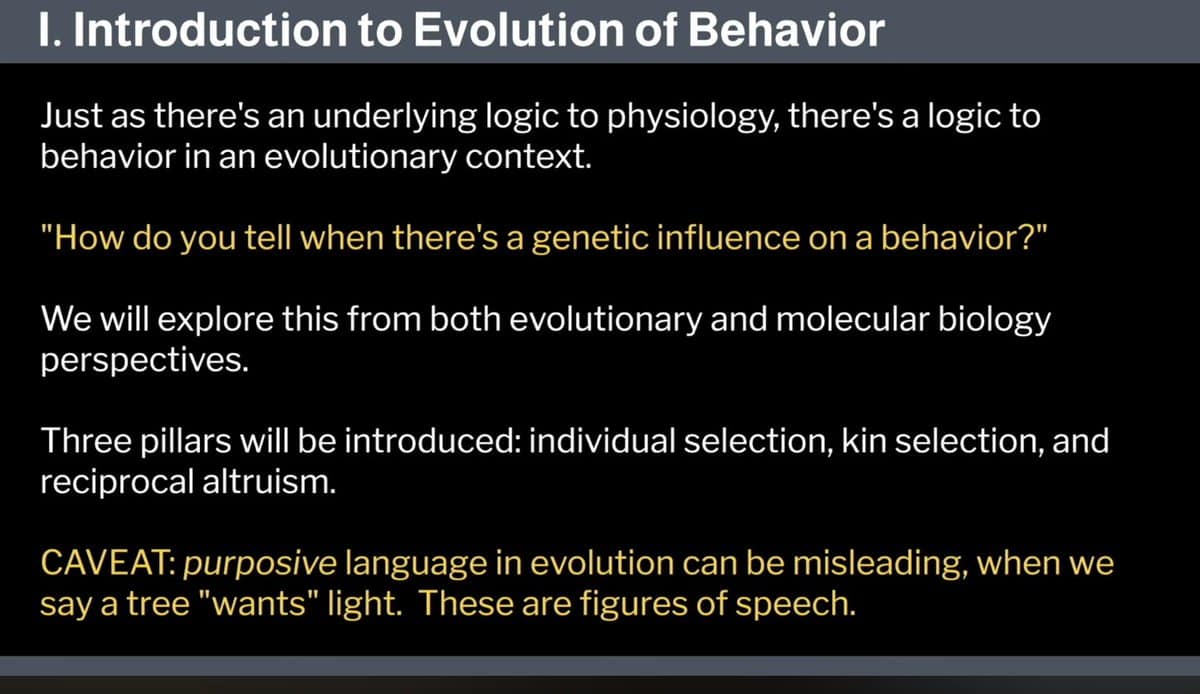
One important idea in the lecture is that behavior has an evolutionary logic. Just like our bodies evolved, our actions also follow patterns shaped by survival. But we should be careful not to think that animals or humans “choose” these behaviors consciously. Evolution has no intention—it is just a process. Over many generations, behaviors that increased survival and reproduction became more common.
Many people think that animals act “for the good of the group,” but this is mostly a misunderstanding. The lecture explains that behavior is usually about individual success, not group benefit. For example, when weaker animals are left behind in a herd, it is not because they are sacrificing themselves—it is simply how competition works. This idea leads to the concept of the “selfish gene,” which means that genes spread by promoting behaviors that help them survive. So organisms often behave in ways that increase their chances of passing on their genes.
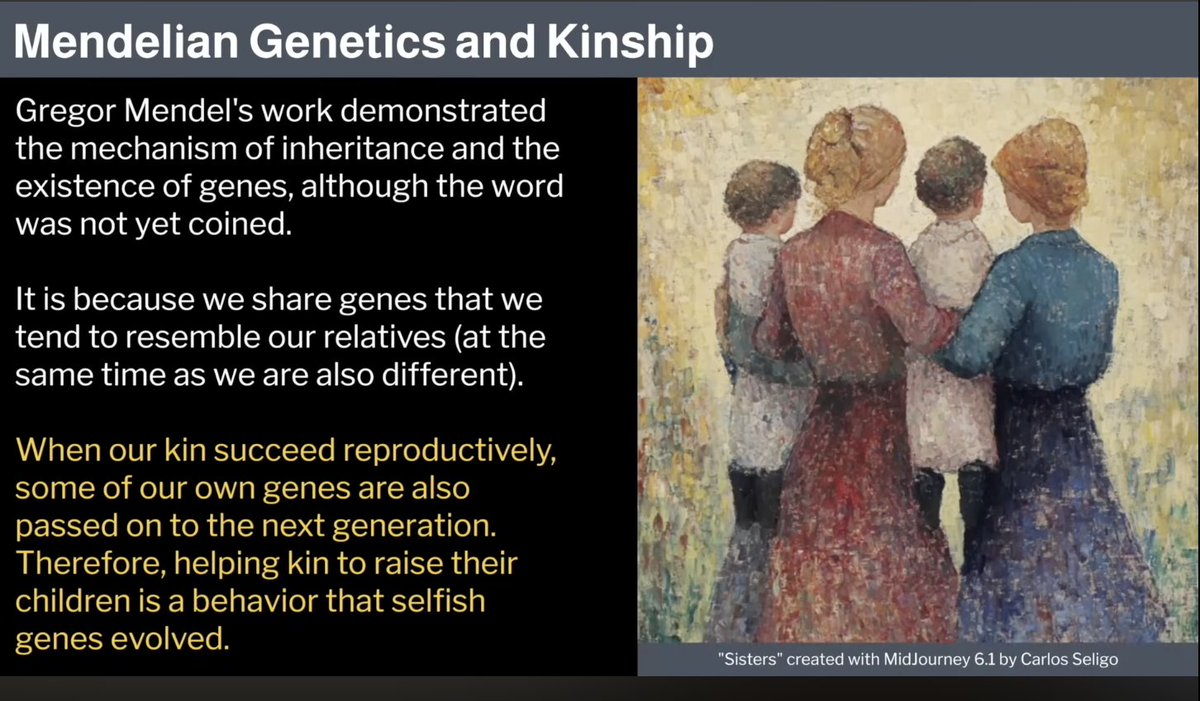
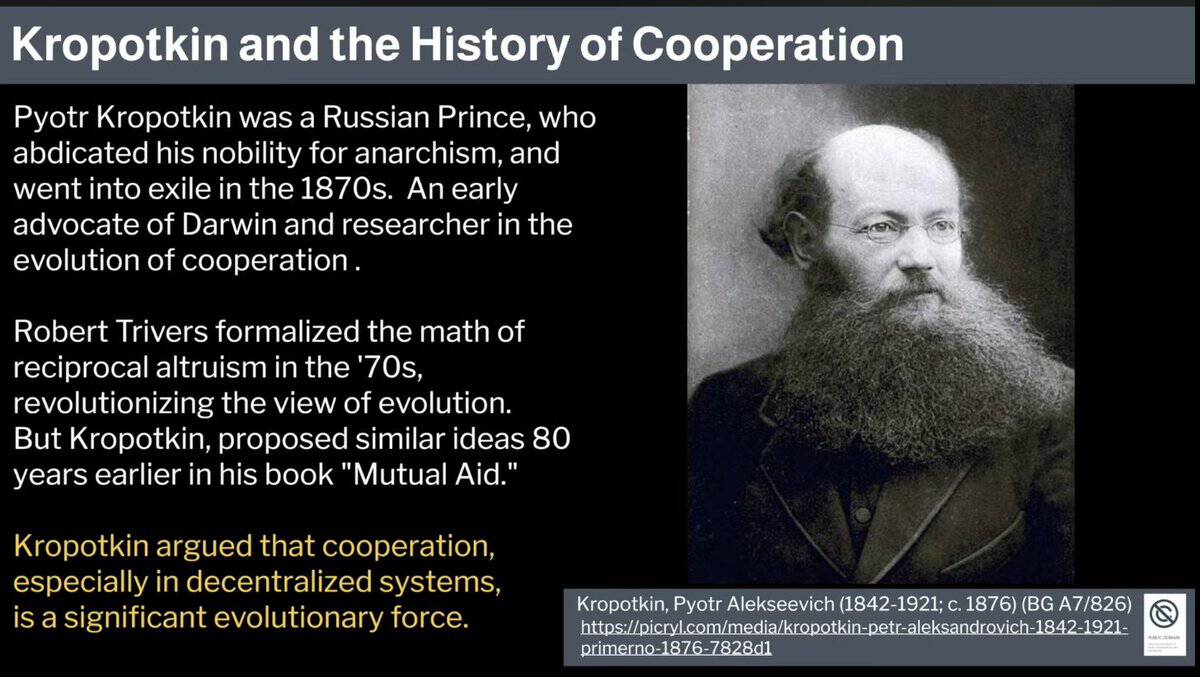
But if behavior is selfish, then why do we help others, especially our family? This is explained by kin selection. We share genes with our relatives, so helping them is indirectly helping our own genes survive. For example, we share about 50% of our genes with parents and siblings. Because of this, helping family members can actually have a biological advantage. This is why cooperation among relatives is very common in nature, from animals protecting their young to organisms supporting close genetic relatives.
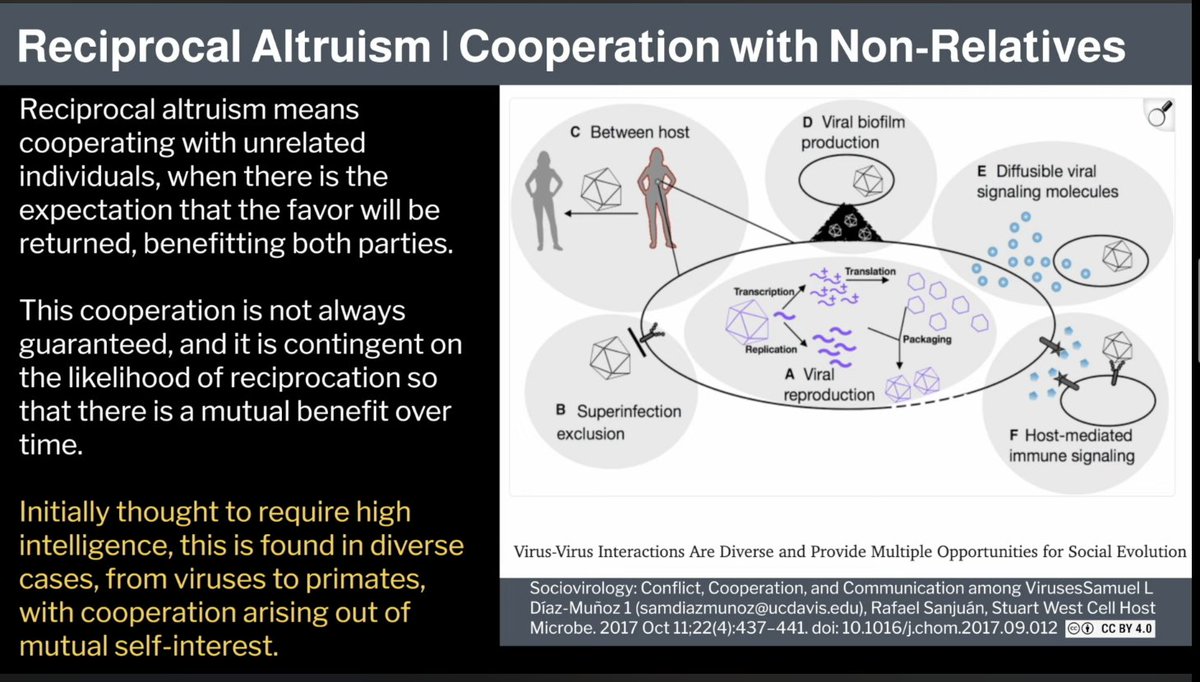
However, humans also help people who are not related to them. This is where reciprocal altruism comes in. It means “I help you now, and you help me later.” This kind of cooperation works when people interact repeatedly and expect future benefits. Even simple organisms can show this behavior because it increases long-term survival. Over time, systems of cooperation develop based on trust and mutual benefit.
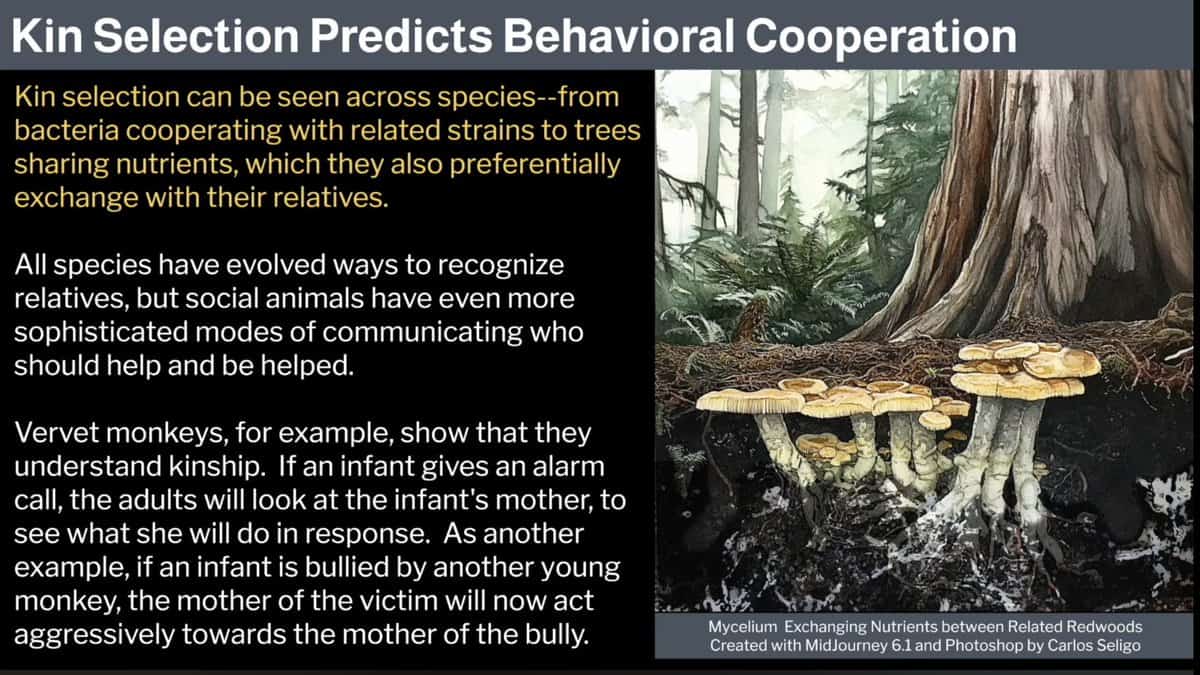
To make cooperation easier, humans and animals often use signals to recognize others like themselves. These can be physical traits or cultural signs such as clothing, language, or shared beliefs. These signals quickly show who belongs to the same group, making cooperation faster and more likely. This is similar to what the lecture calls “green beard” effects, where individuals help those who share certain traits.
But cooperation is not always stable. One major problem is cheating. If someone takes benefits without giving anything back, the system can break down. Because of this, many species—including humans—have developed ways to detect and punish cheaters. We are naturally sensitive to unfairness and often react strongly when we see it. This helps maintain balance in cooperative systems.
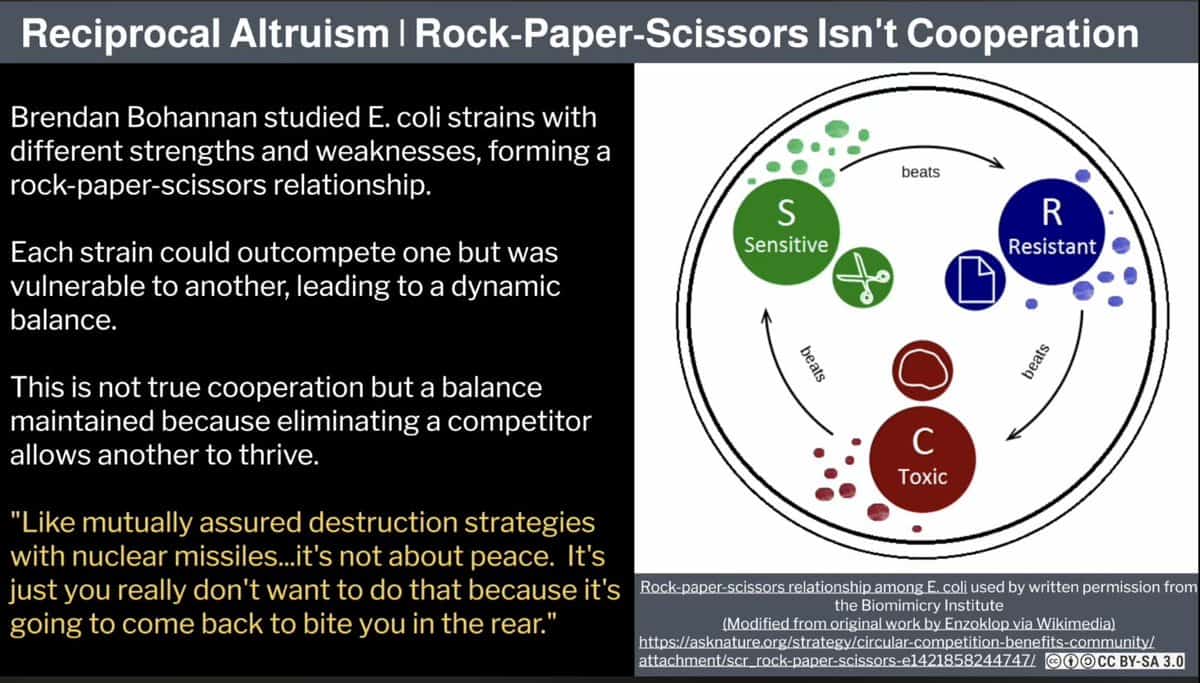
To understand these interactions, scientists use game theory. A famous example is the Prisoner’s Dilemma, where individuals must choose between cooperation and selfish behavior. If the interaction happens only once, selfish behavior usually wins. But if the interaction is repeated, cooperation becomes more beneficial. This is because future consequences matter—what we do now affects how others treat us later.
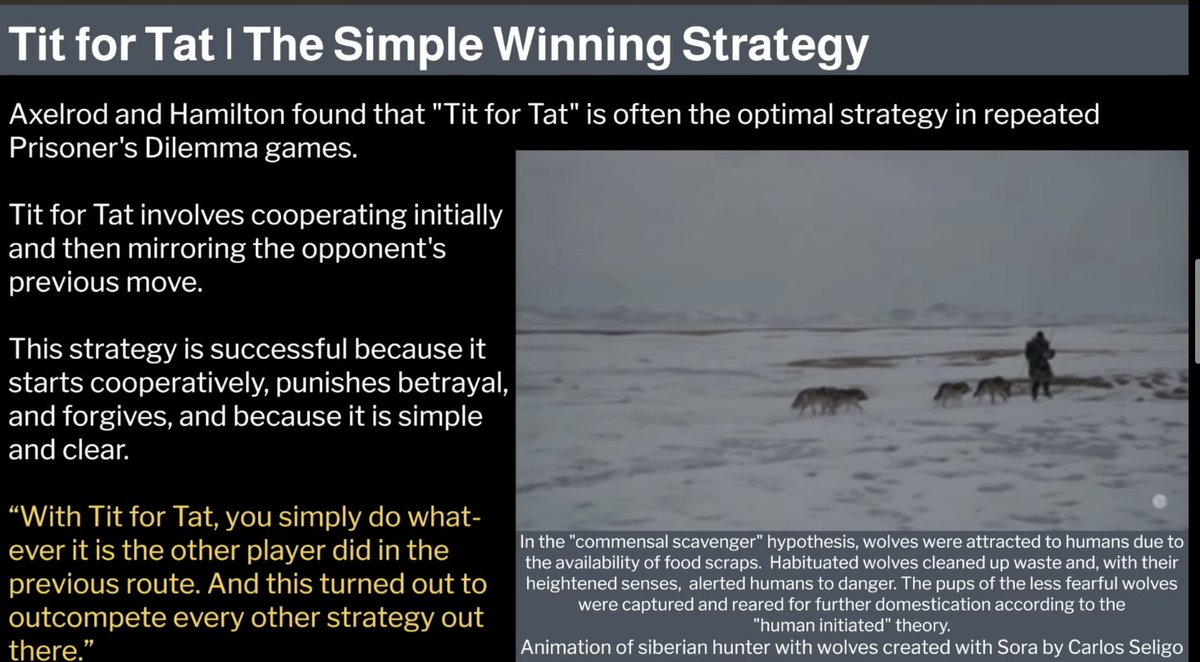
One of the most effective strategies in such situations is called “Tit for Tat.” It starts with cooperation and then copies the other person’s previous action. If they cooperate, you cooperate; if they cheat, you respond in the same way. This strategy works well because it is fair and easy to understand. However, it has a weakness—if there is a misunderstanding, it can lead to continuous conflict. To fix this, a better approach includes forgiveness, allowing occasional mistakes without breaking cooperation completely.
These ideas are not just theories—they appear in real life. For example, vampire bats share food with others but stop helping those who do not return the favor. Some fish cooperate with partners but retaliate if the partner does not contribute. These examples show that even animals follow patterns similar to human cooperation.
Finally, the lecture reminds us that behavior is not shaped by a single situation. In real life, individuals are involved in many interactions at the same time. A person may seem selfish in one situation but helpful in another. This means we cannot judge behavior based on one action—we must look at the bigger picture.
In conclusion, human behavior is a mix of self-interest and cooperation. We help our family because we share genes. We help others because it benefits us over time. We punish cheating to protect fairness. And we cooperate when future relationships matter. Evolution does not make us good or bad—it simply shapes how we behave. Understanding this helps us see that our actions are part of a larger system built over thousands of years.
is the PDF version of the notes.
I have tried a new format. Let me know how you like it or if you liked the previous one.
See you in the next one.
