Introduction of Human Behavioral Biology by Robert Sapolsky
This is the 2024 version of the human behavioral course by Robert Sapolsky at Stanford University.
Is the video link a playlist from YouTube.
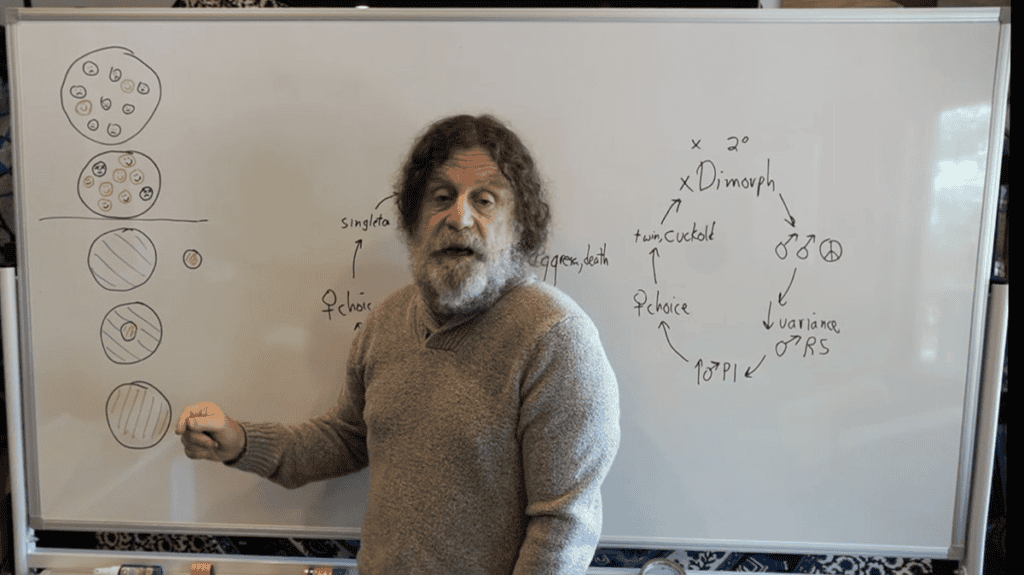
Provide a caption (optional)
This is lecture 1. Introduction.
Before starting this article, I wanna clear something.
Disclaimer:
This essay is a simple and personal interpretation of Lecture 1: Human Behavioral Biology by Robert Sapolsky (Spring 2024, Stanford University). It is not a substitute for attending the actual lecture or studying the full course material. For a deeper understanding, please refer to the original lecture and resources.
# Understanding Human Behavior: It’s More Complex Than It Looks.
We often like to believe that human behavior is simple. We say things like, “He is angry, so he shouted,” or “She worked hard, so she succeeded.” These explanations feel satisfying because they are easy to understand. But the truth is, human behavior is rarely that simple.
In the first lecture of Human Behavioral Biology, Robert Sapolsky shows that every action we take is influenced by many different factors working together. Behavior is not caused by just one thing—it is shaped by biology, environment, culture, experiences, and even history.
# One Behavior, Many Causes
The lecture begins with an important idea: you cannot understand human behavior by looking at only one factor.
For example, if someone behaves aggressively, there could be many reasons:
– Their brain activity at that moment, hormone levels, past experiences, cultural background, and even their evolutionary instincts.
Each of these gives part of the answer, but none gives the full picture.
So instead of asking, “What is the one reason?” we should ask,
“What are all the reasons for working together?”
# How Culture Shapes the Way We Think
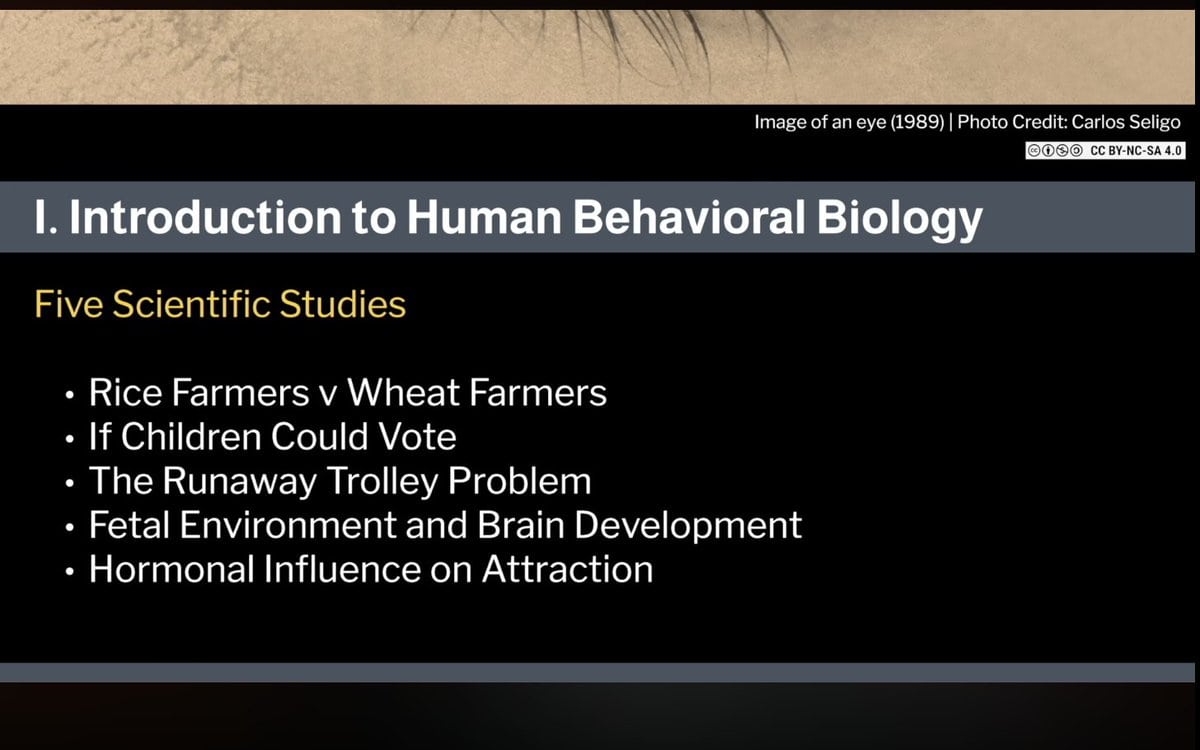
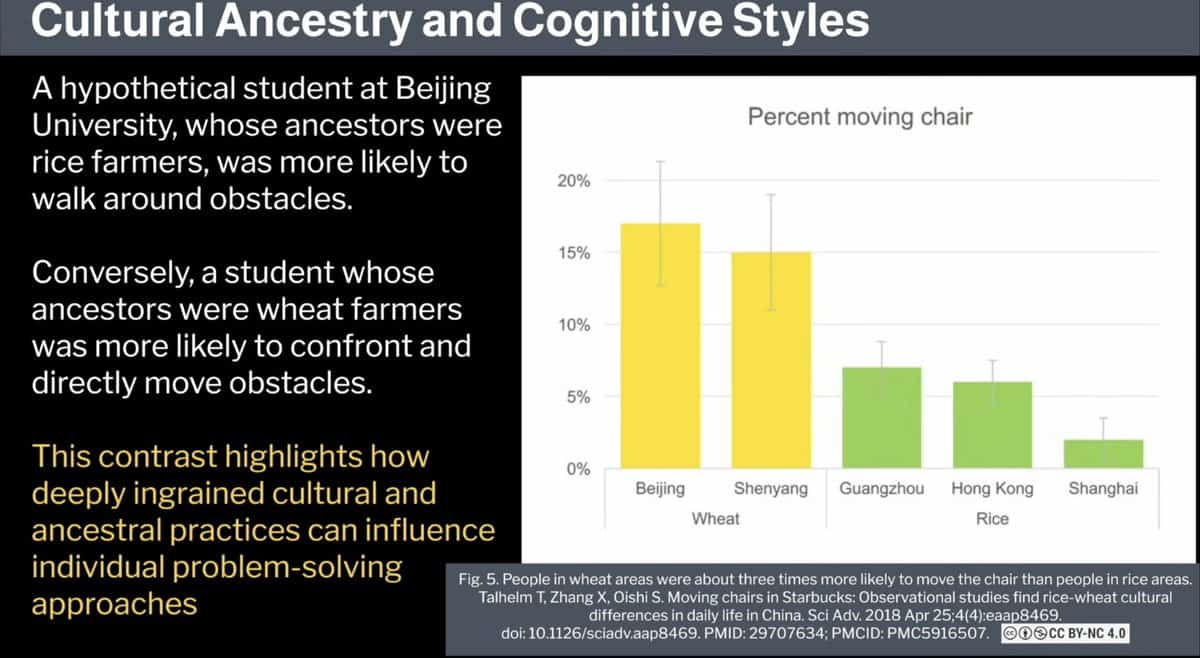
One interesting example from the lecture compares people from rice-farming and wheat-farming regions.
– In rice-farming cultures, people usually work together and depend on each other. So they tend to think more holistically and adapt to situations.
– In wheat-farming cultures, people can work more independently. So they tend to think more directly and solve problems head-on.
Over many generations, these ways of living shaped how people think. This shows something surprising:
Even the way we think is influenced by our environment and history.
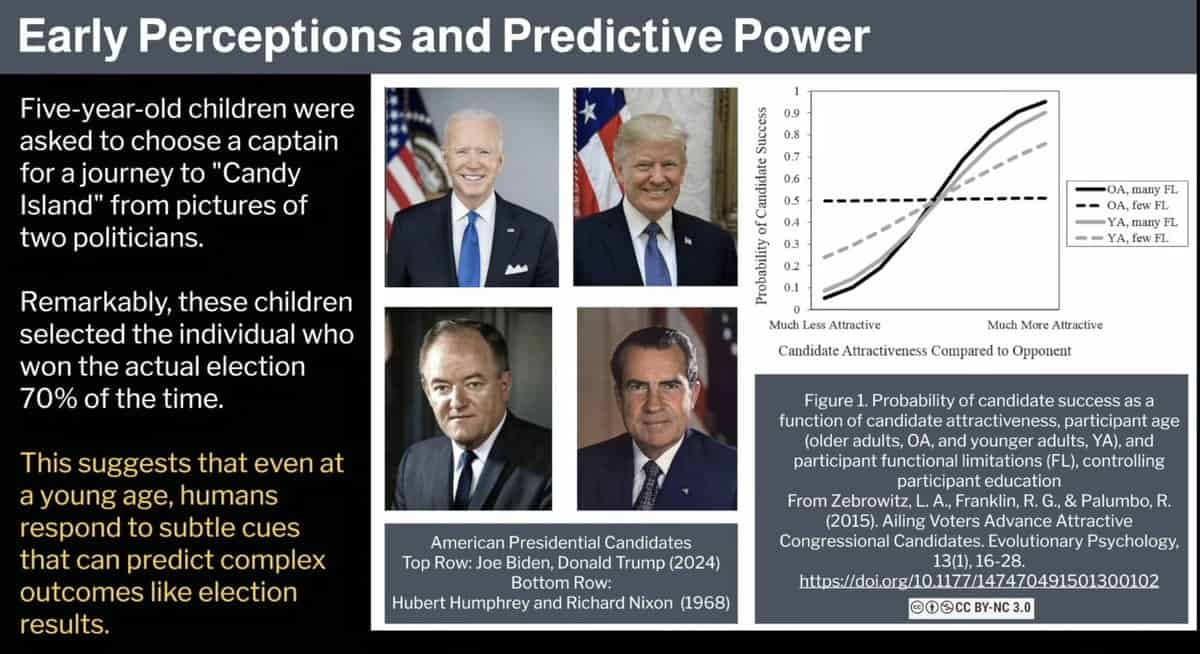
# Even Children Can Predict More Than We Expect
Another study mentioned in the lecture is about children. Five-year-olds were shown pictures of political candidates and asked to choose a leader. Surprisingly, their choices matched real election winners about 70% of the time.
This means that even young children can pick up on small signals—like confidence or trustworthiness—without being taught. It tells us that:
Our brains start understanding people and making judgments very early in life.
# Biology Can Influence Moral Decisions
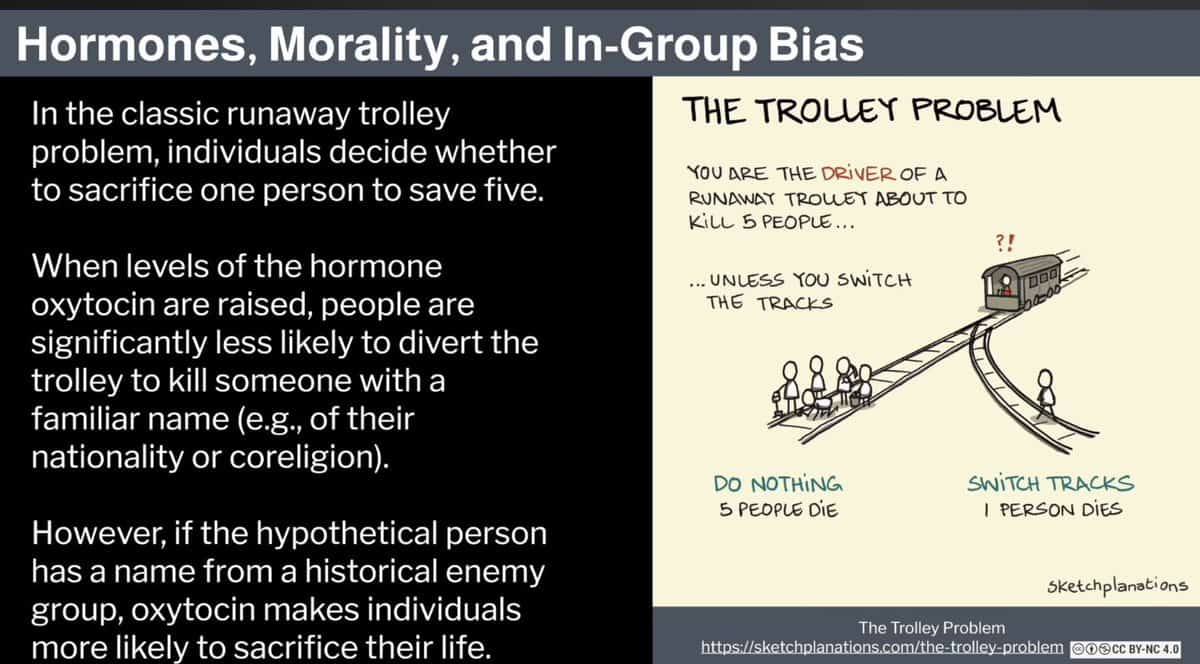
We often think morality is purely about right and wrong. But the lecture shows that biology also plays a role. In the famous “trolley problem,” people must decide whether to sacrifice one person to save five others. Research shows that hormones like oxytocin can change how people make this decision. For example:
– People may become kinder toward their own group
– But more biased against others
This means that even our moral choices are not completely neutral.
They are partly influenced by our biology.
# Behavior Starts Before We Are Born
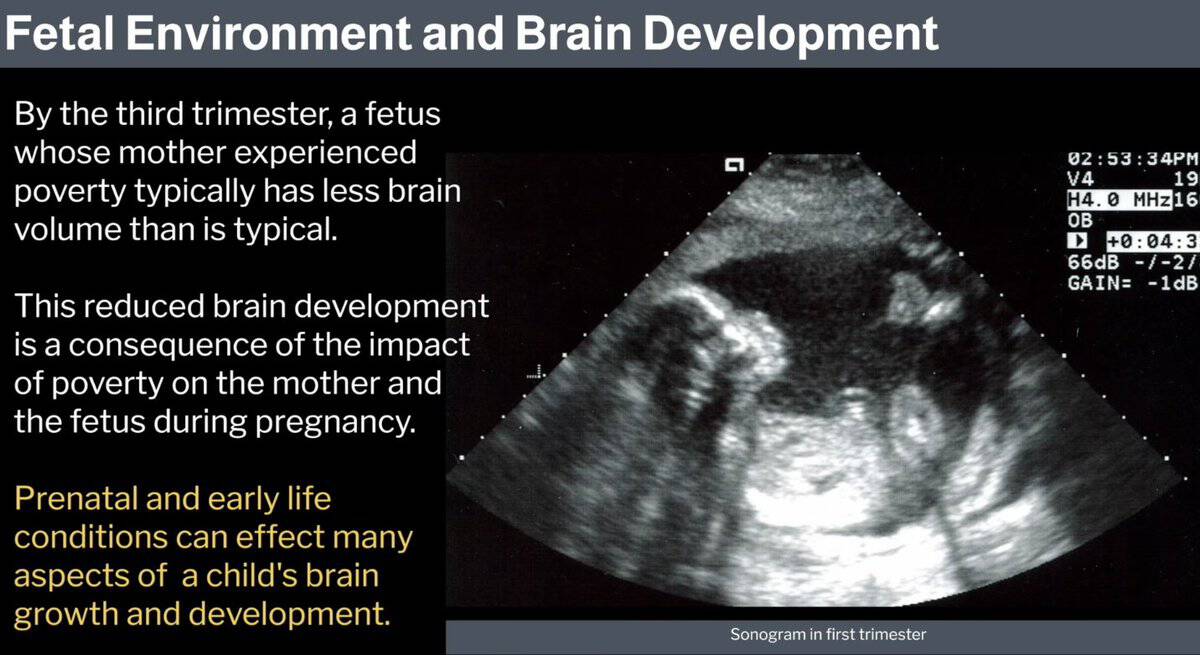
One of the most powerful ideas in the lecture is that behavior begins even before birth. The environment in the womb, such as:
– The mother’s stress, Nutrition, and living conditions can affect how the baby’s brain develops. For example, long-term stress or poverty during pregnancy can impact brain growth. This shows that our life story starts shaping us even before we are born.
# Attraction Is Not Just Personal Choice
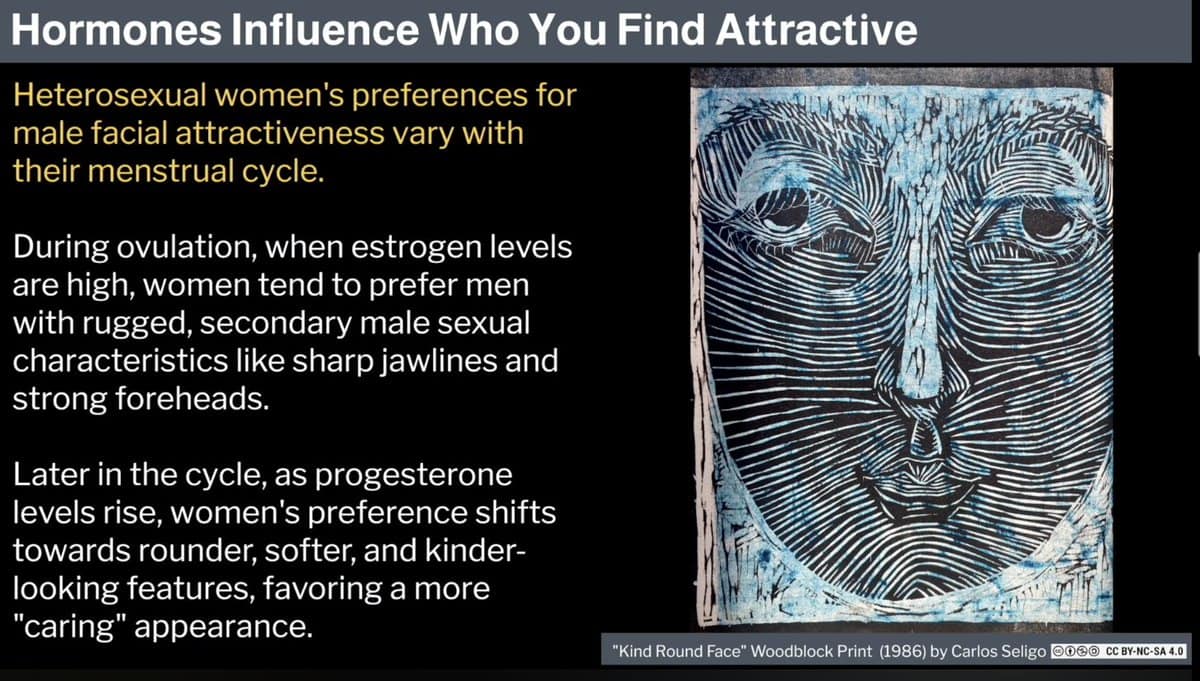
We usually think attraction is a personal preference. But biology also plays a role here. The lecture explains that women’s preferences for male faces can change during different stages of their menstrual cycle.
– At times, stronger and more “masculine” features are preferred. At other times, softer and kinder features are preferred.
This doesn’t mean people don’t have a choice. But it shows that our choices are influenced by biological processes.
Provide a caption (optional)
# The Body and the Brain Work Together
A key idea in the lecture is the strong connection between the body and the brain. There are two important directions:
1. Body affects behavior (If you are hungry, tired, or sick, your mood and decisions change.)
2. The brain affects the body. Even thoughts can cause physical reactions. For example: (Thinking about stress can increase your heart rate, Fear can make you sweat )
This shows that the body and mind are always connected.
# Why Behavior Is So Complicated
Sapolsky keeps repeating one important idea:
“It’s complicated.” Behavior is not a simple chain of cause and effect. It is a mix of many factors happening together. But as humans, we like simple explanations. We often say things like:
– “He is just a bad person,” or “She is just emotional.”
Provide a caption (optional)
These labels make things easier, but they are often wrong.
# The Problem with Categorizing People.
Our brains like to divide the world into categories. This helps us understand things quickly.
For example, we group people, ideas, and experiences into labels. This is useful—but it can also be misleading.
When two things are in the same category, we think they are more similar than they really are. When they are in different categories, we think they are more different than they really are. Even our brain cells (neurons) behave this way. They react strongly to category boundaries. This means that sometimes, our brain simplifies reality too much.
# No Single Explanation Is Enough.
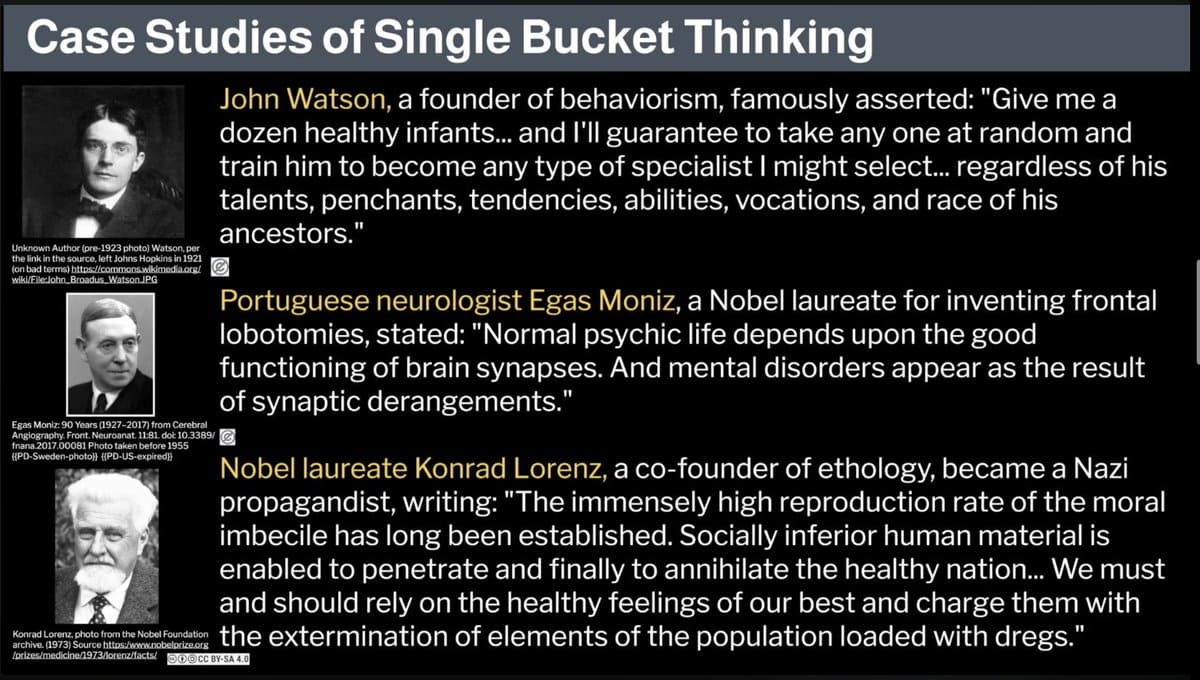
The lecture warns against “single-bucket thinking.” This means trying to explain behavior using only one idea, like:
– Only biology, Only environment, Only culture.
In reality, no single explanation is enough. To truly understand behavior, we must combine different perspectives.
# Behavior Happens Across Time
Another important idea is that behavior is shaped across different time scales. To understand why someone acts a certain way, we must look at:
– What happened just seconds ago? What happened in their past? Their childhood experiences? Their cultural background, even human evolution
All of these factors come together in one moment of behavior.
# Humans Are Similar to Animals—But Also Different.
Humans share many biological traits with other animals. We have similar brains, hormones, and instincts. But at the same time, humans can behave in very unique ways.
For example:
Provide a caption (optional)
– Humans can plan actions far in advance
– They can reflect on their own behavior
– They can act in ways that are not directly linked to survival.
This makes human behavior both familiar and deeply complex.
# Final Thought: Accept the Complexity
The biggest lesson from this lecture is simple but powerful: There is no single answer to human behavior. Every action is shaped by many factors working together—biology, environment, experience, culture, and time.
If we try to simplify behavior too much, we risk misunderstanding people.
But if we accept complexity, we can gain a deeper and more accurate understanding of ourselves and others.
# Conclusion
Human behavior is not simple, and it cannot be explained by one cause. It is the result of many layers interacting together. From brain activity to cultural history, from early childhood to evolutionary past—everything plays a role. Understanding this does not make things easier, but it makes them clearer. And perhaps that is the goal: not to find simple answers, but to understand reality as it truly is—complex, connected, and deeply human.
is the lecture notes PDF?
See you in the next one.

